

7 Ways to Build a Positive Math Classroom Culture (That Go Beyond Games)
Every math teacher has heard some version of "I'm just not a math person," or watched a student go quiet the moment a problem gets hard. Building a positive math classroom culture—one where students feel safe struggling, share their thinking, and see mistakes as part of learning—takes more than a fun warm-up or a themed bulletin board. It takes intentional, repeated routines.
Here are seven practical strategies for building math classroom culture, along with the daily routine that ties them all together.
1. Establish Clear Classroom Norms Together
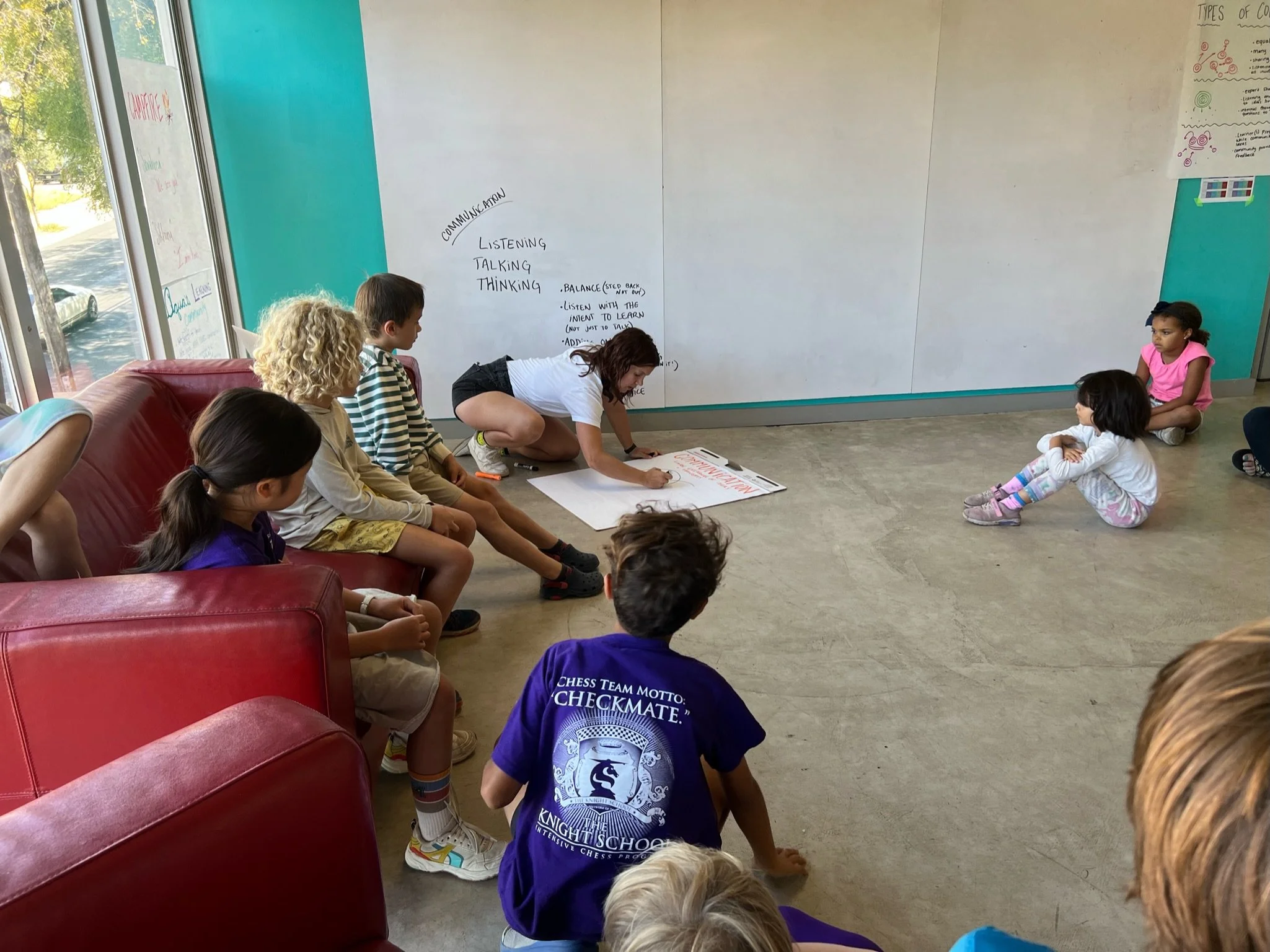
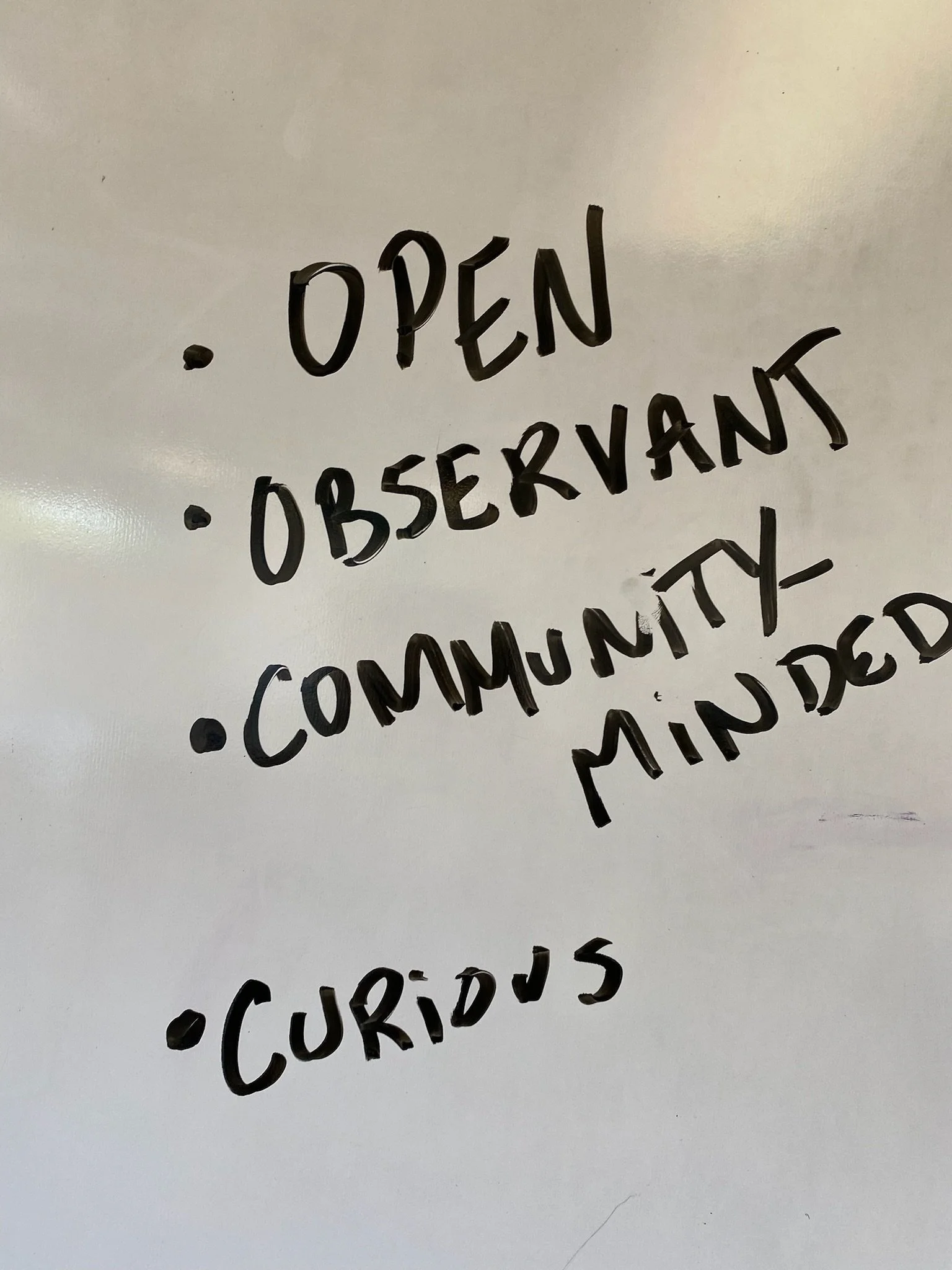
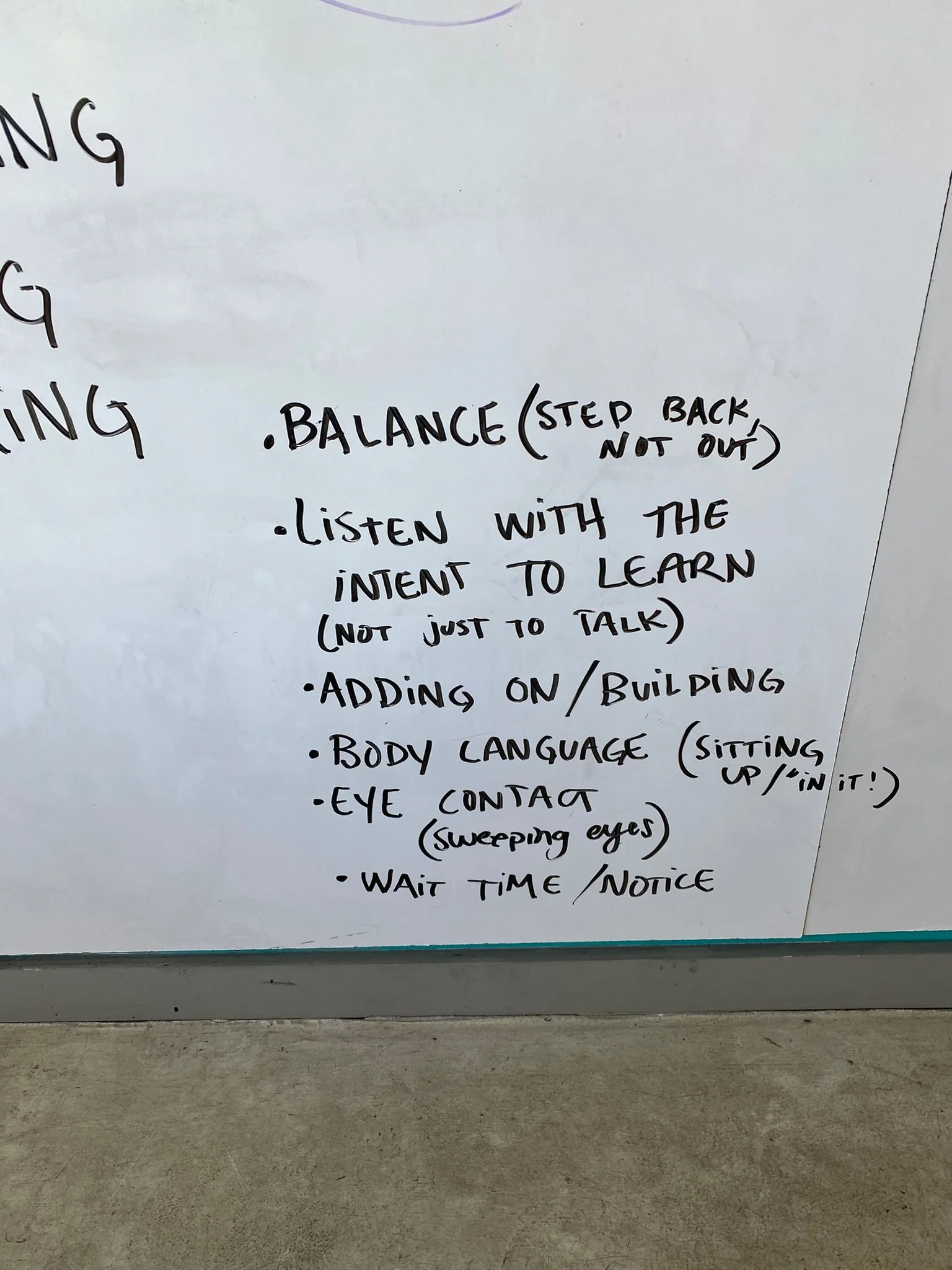
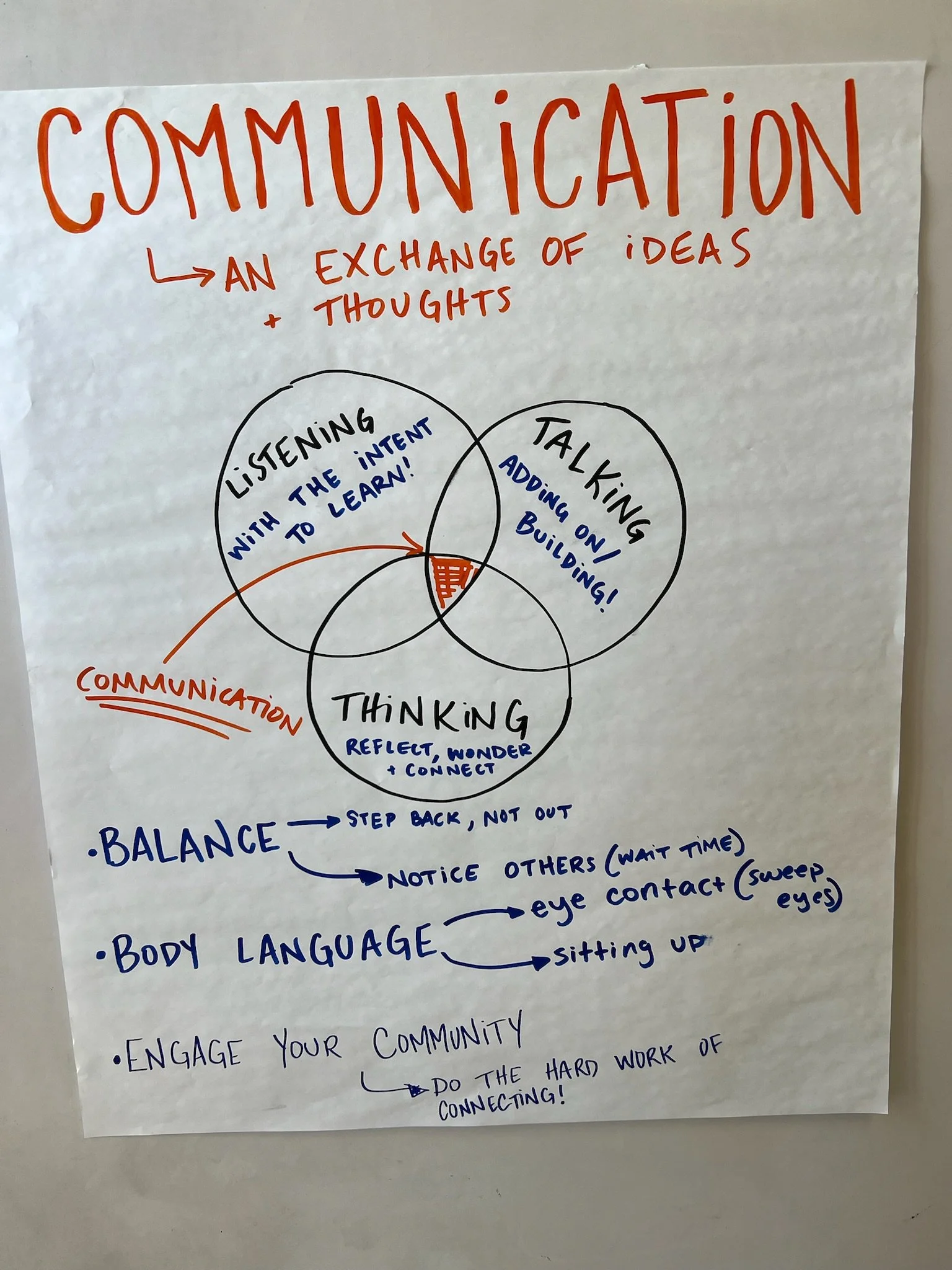
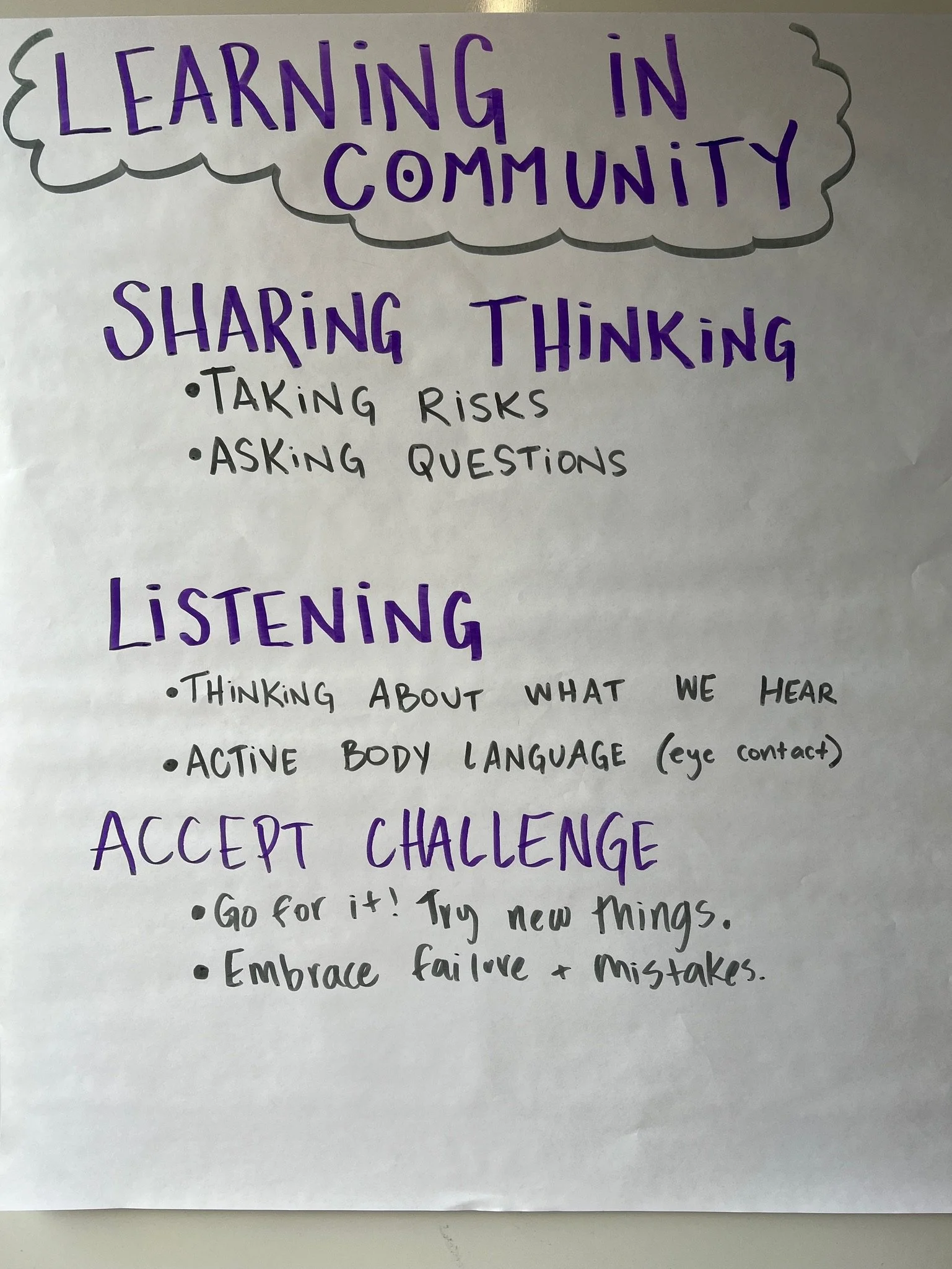
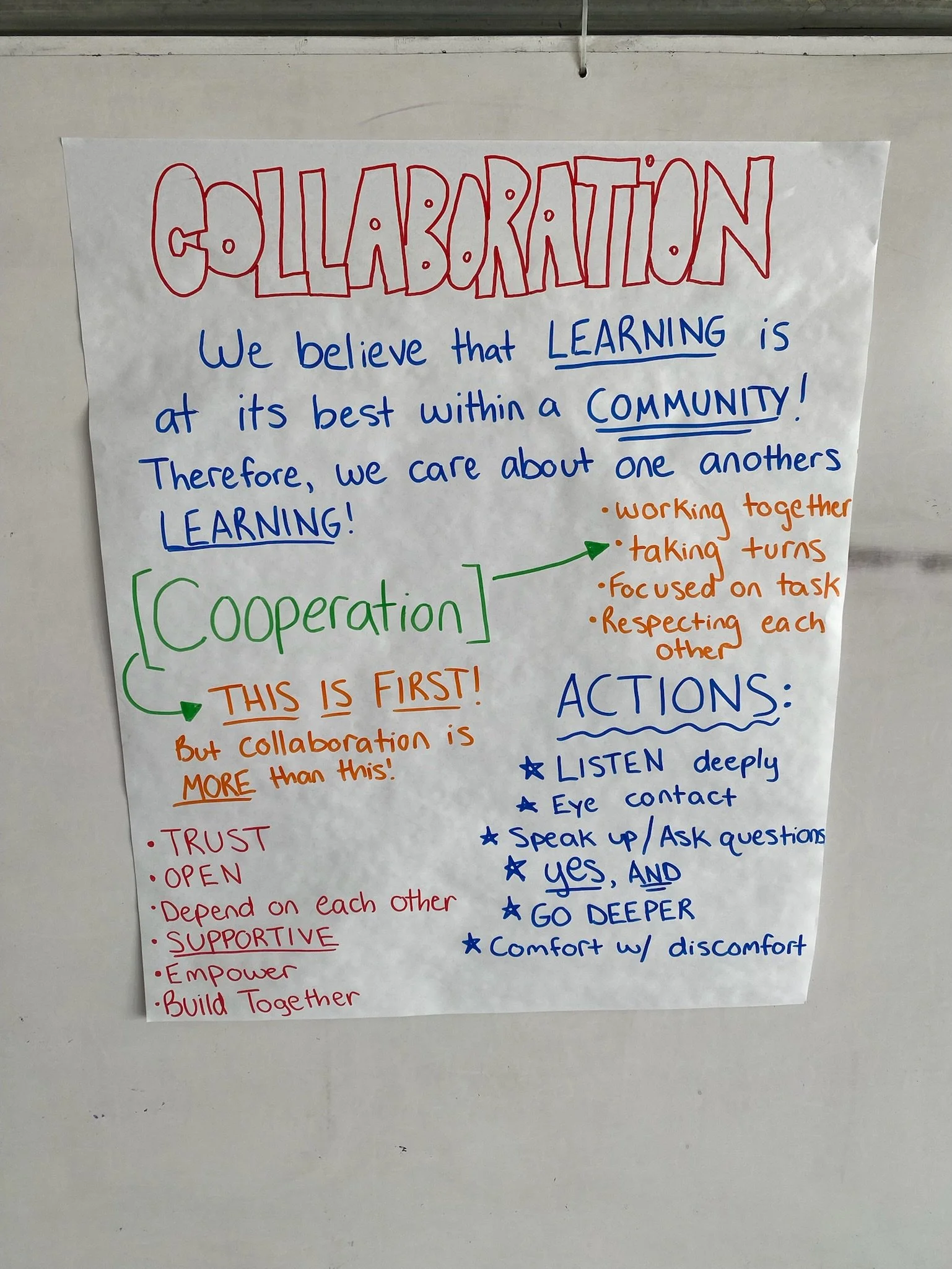
Rather than posting a list of rules, work with students at the start of the year to co-create norms like "we listen to understand, not to respond" or "we celebrate different approaches to problem-solving." Students are more likely to follow norms they helped create.
2. Normalize Struggle as Part of Learning
One of the biggest shifts you can make is helping students see being stuck as a normal, even necessary, part of learning math—not a sign they're behind. Introducing an idea like "the learning pit" gives students shared language for what it feels like to move from confusion to understanding, and reminds them the way out is through talking, questioning, and trying again.
3. Teach Growth Mindset Explicitly — Don't Just Assume It
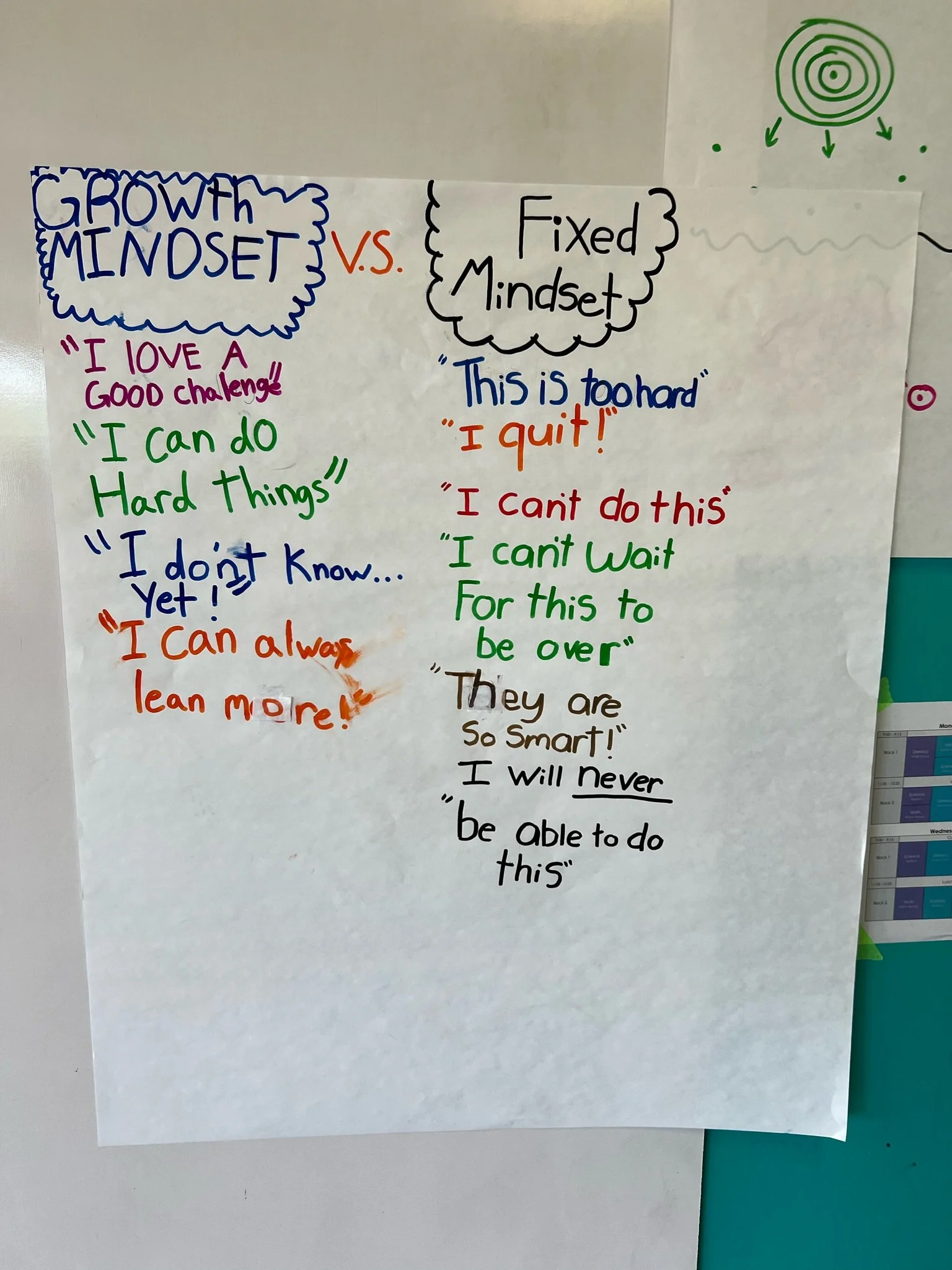
Telling students "you can do this!" isn't the same as teaching them why effort changes ability. Explicitly discussing the difference between a fixed and growth mindset—and giving students a chance to notice it in their own self-talk—makes the idea something they can actually use, not just a poster on the wall.
4. Make Talk a Daily, Structured Habit
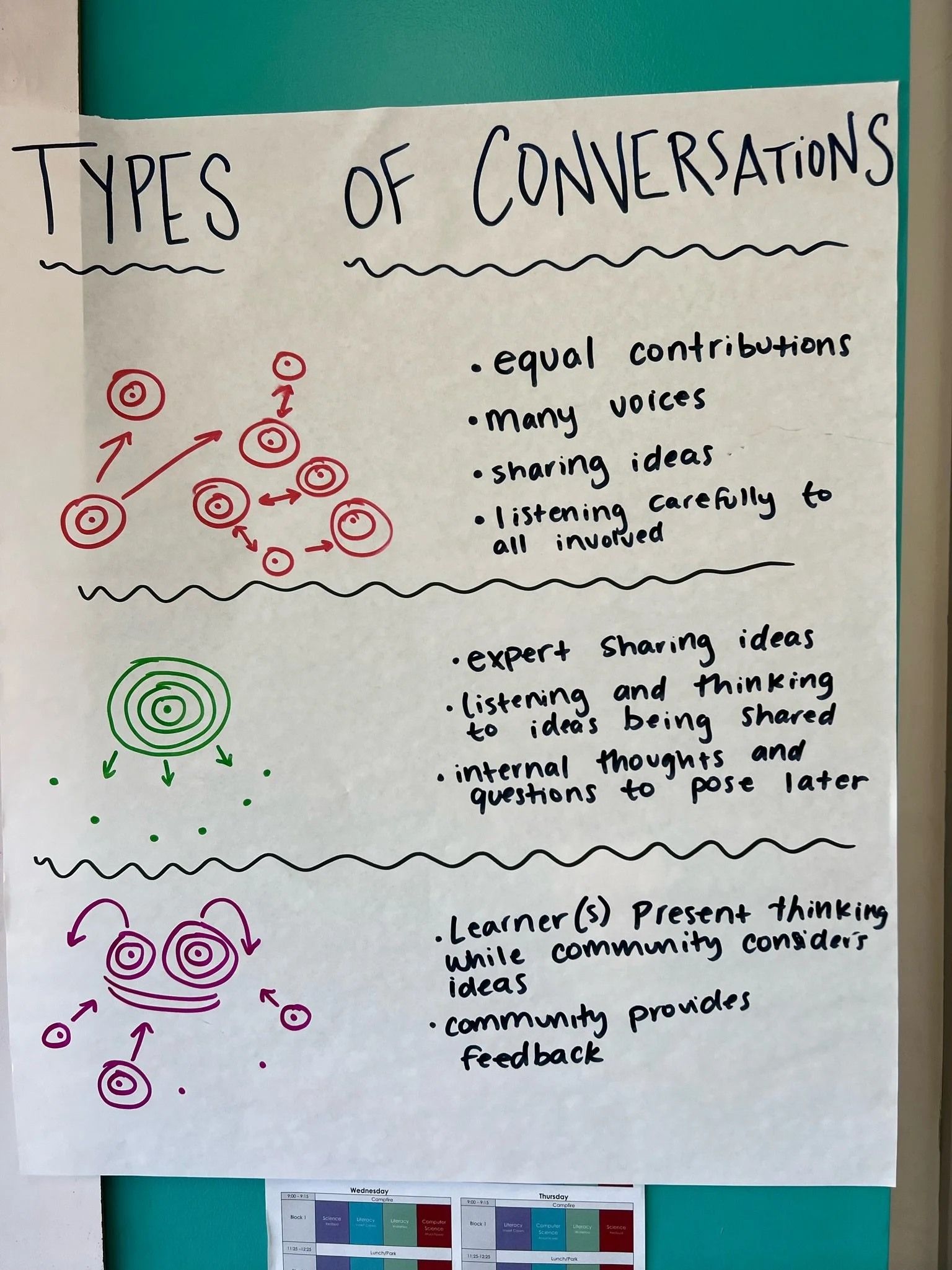
Mathematical discourse doesn't happen automatically just because students are sitting near each other. Structures like one of our six Thought Exercises or how we do “Studio” will support building a discourse-rich community. “Campfire,” which is how we start each day at our micro school, is also another great way to encourage talk in an authentic way (rather than a “school-ified” way like assigned roles).

5. Give Feedback That Reinforces the Culture You Want
Public, specific feedback shapes culture faster than private correction does. Instead of general praise, name the exact behavior you want to see more of: "I noticed Malia built on Diego's idea instead of just repeating her own." This shows the whole class what "good math talk" actually looks like in practice.
6. Revisit the Same Ideas All Year, Not Just Once
A single lesson on growth mindset in September won't hold up by February. Culture is built through repetition—coming back to the same core ideas (struggle is normal, everyone's voice matters, talk is how we learn) again and again, deepening them as the year goes on.
7. Build a Daily Routine Around It: Community Conversations
The most effective way to apply all six of the strategies above consistently is to build them into a short daily routine rather than relying on occasional one-off lessons. That's the idea behind Community Conversations—a 5-7 minute purposeful discussion that replaces typical circle time or calendar time at the start of math block, specifically designed to build the mindsets and habits above, one conversation at a time.
We go deep on how this works—including why games and themed days are a poor substitute for real culture-building—in How to Build a Positive Math Classroom Culture (Without Relying on Games and Gimmicks).
Getting Started
You don't need a big overhaul to start building a stronger math classroom culture. Pick one or two of the strategies above—maybe co-creating norms and adding in one of our Thought Exercises— and commit to nurture what you’ve started every day. Coaching around aspects of culture and related aspects like self-talk—should be almost equal to coaching you do related to math content. Culture isn't built in a day, but it is built, steadily, through the same small choices repeated over time.
And here's the payoff: math genuinely becomes fun once this culture is in place. Not because of a themed day or a game, but because students start experiencing math as a beautifully connected discipline built on reasoning, one where it's safe to explore, question, and get stuck along the way. That's a kind of fun no gimmick can manufacture, and it's what a strong math classroom culture makes possible.
Want ready-to-use lesson plans to try this in your own classroom? Grab free Community Conversation samples here.