

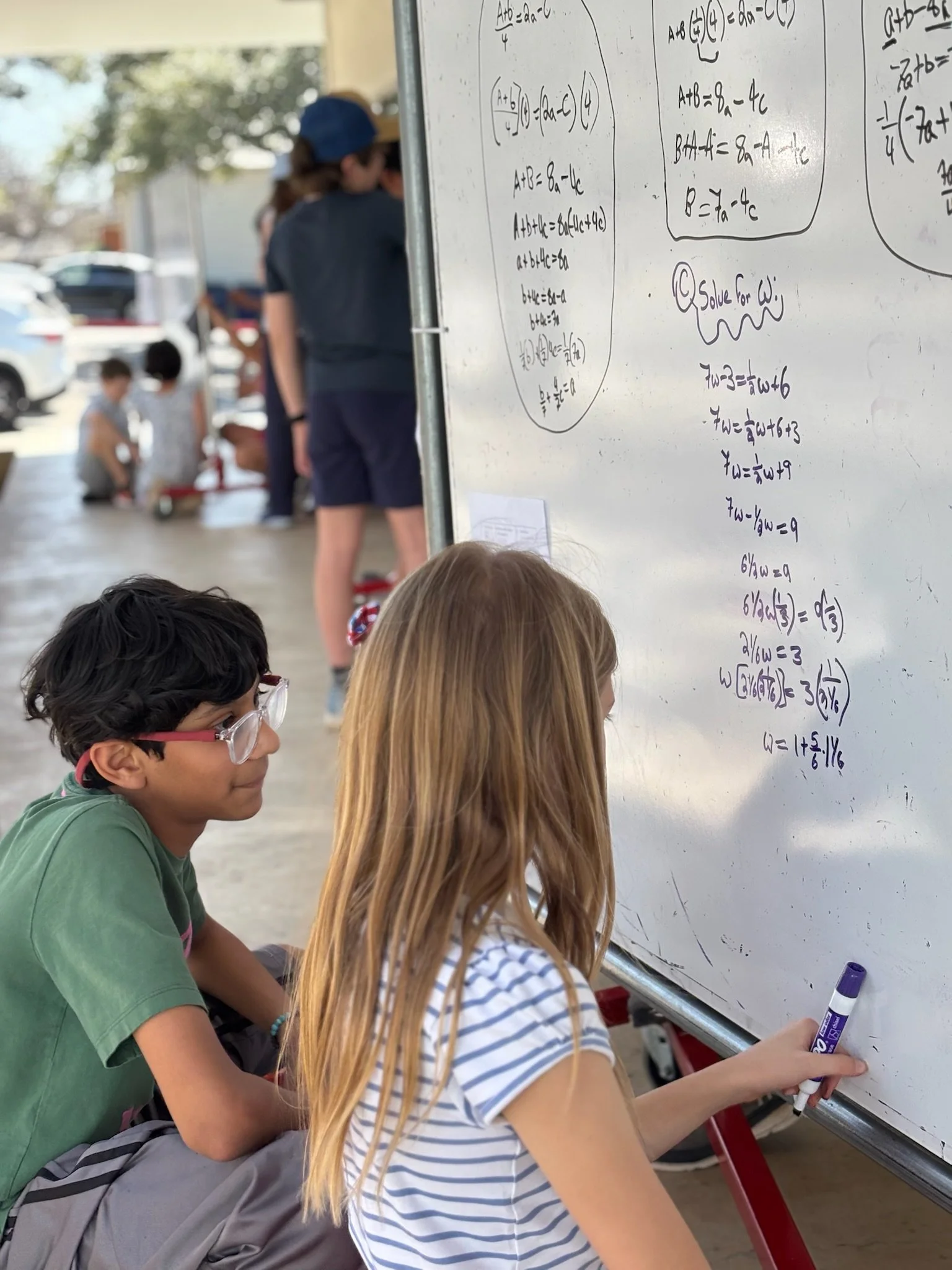
Math Classroom Design: A Culture-First Approach to Learning Spaces
Most conversations about improving math instruction start with curriculum: better problems, better pacing, better assessments. At The Number Lab, we think classroom design is an untapped lever. At our micro-school, Long-View, we started somewhere else entirely—with the room itself. Before you can change what happens in a math classroom, you have to change what the classroom tells students about what kind of work happens there.

7 Ways to Build a Positive Math Classroom Culture (That Go Beyond Games)
Building a positive math classroom culture—one where students feel safe struggling, share their thinking, and see mistakes as part of learning—takes more than a fun warm-up or a themed bulletin board. It takes intentional, repeated routines. These seven practical strategies for building math classroom culture will help you start the year off strong.

How to Teach Fraction Addition Without the Anxiety: A Number Sense Approach
Fraction addition isn't a new skill to memorize — it's the same "combine like terms" principle students already use with whole numbers, just applied to fractions using the Substitution Principle to create like terms when needed.
![4 Surprising Things Educators Learned at the [Co]lab (That Weren't Just About Math)](https://images.squarespace-cdn.com/content/v1/5eb30248cad26f62e54acec0/1787432409164-H3OEKBILTE9P6LACNVD8/hockaday-colab.jpeg)
4 Surprising Things Educators Learned at the [Co]lab (That Weren't Just About Math)
In June, The Hockaday School in Dallas, Texas, hosted the Number Lab's summer [Co]lab. This immersive three-day workshop brought together 50+ educators from Texas and beyond. While most participants were math educators, the workshop also included a diverse range of professionals: school leaders, curriculum specialists, and teachers of science, history, and literature.

Math Anxiety Doesn't Start With Math. It Starts With Language.
Math anxiety and weak conceptual understanding tend to travel together. Rethink the connection between language and conceptual understanding and support positive math experiences.
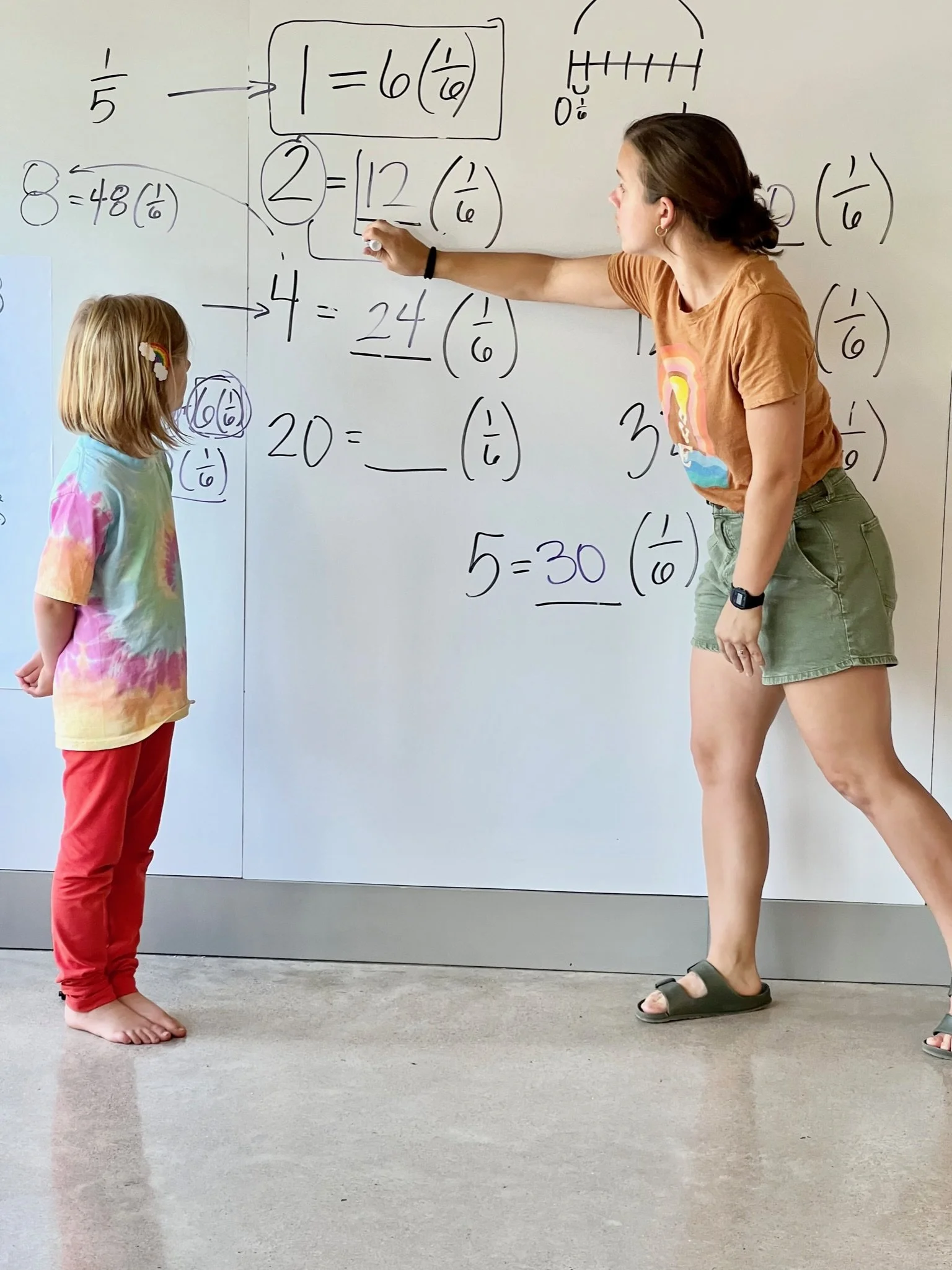
5 Words to Stop Using When You Teach Math (and What to Say Instead)
These five common math words secretly confuse kids. Here's what to say instead — and the simple reasoning behind each swap.

Why "Numerator" and "Denominator" Might Be Confusing Your Students (And What to Say Instead)
Over-relying on the terms "numerator" and "denominator" can cause students to see fractions as disconnected digits rather than a single quantity, but reframing fractions as a numerated unit (¾ = 3 one-fourths) builds real conceptual understanding and reduces anxiety.

The Math Vocabulary Shift Every Elementary Teacher Should Know
Vocabulary is one of the most overlooked levers for building that conceptual understanding and reducing anxiety.
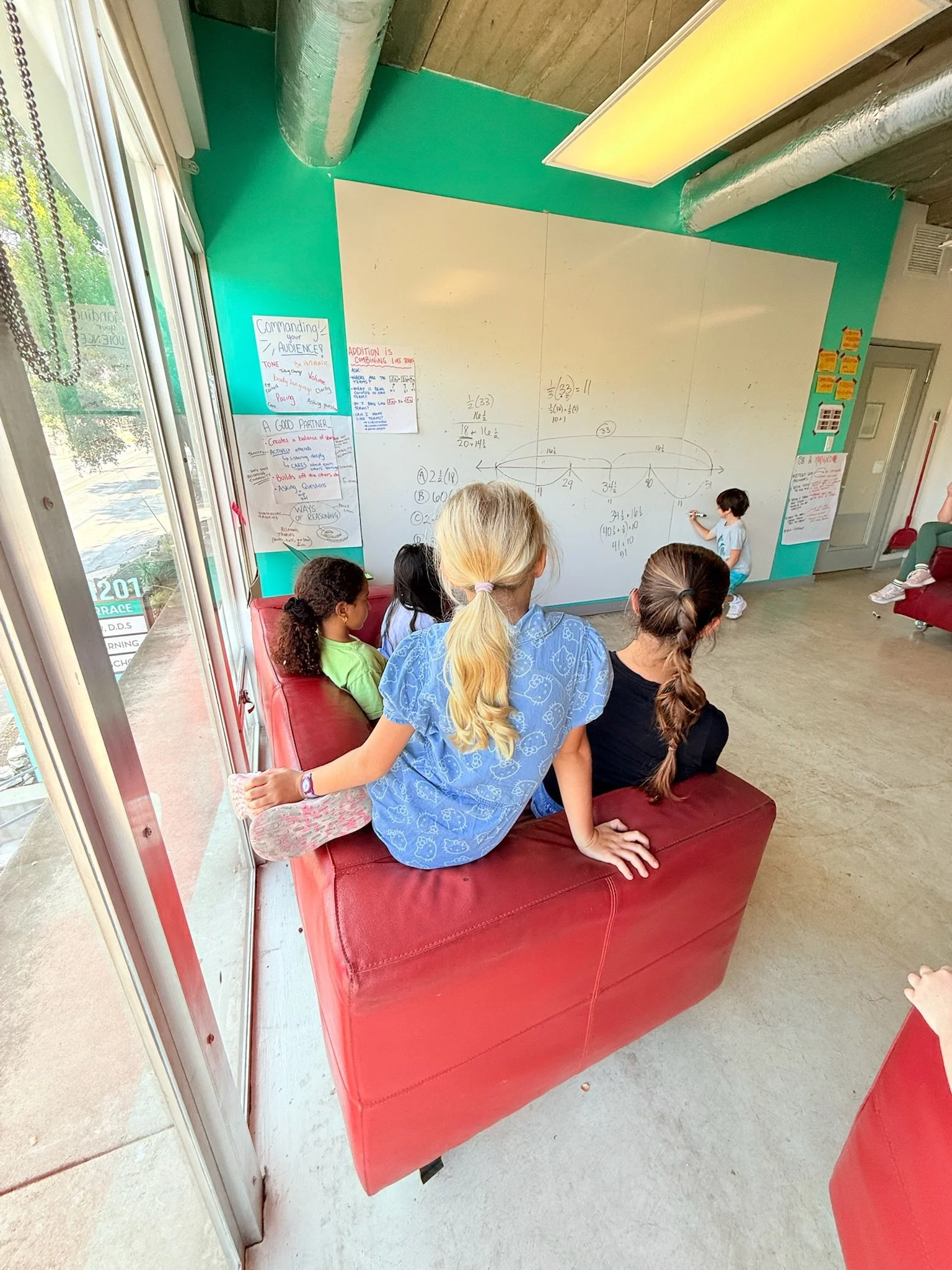
How to Build a Positive Math Classroom Culture (Without Relying on Games & Gimmicks)
This post breaks down why fun-focused strategies fall short of building real math classroom culture, and walks through a daily routine — Community Conversations — that's designed to build it directly.